
Metal parts
Evaluate names, identifiers, logos or machine-readable codes on the actual alloy, coating and finish.
Evaluate permanent marking on metals and selected plastics around the exact material, desired mark effect, production cycle and integration conditions.
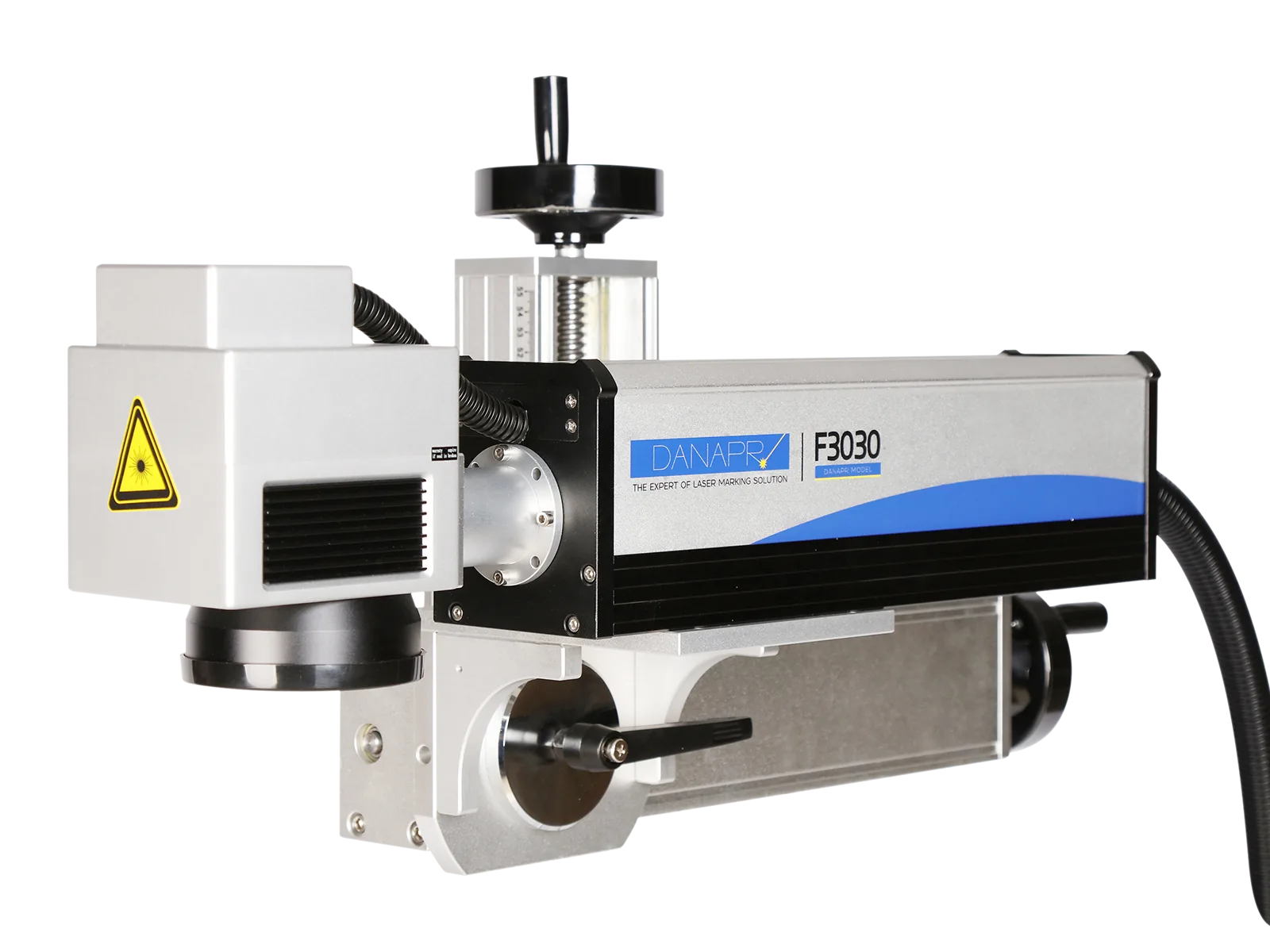
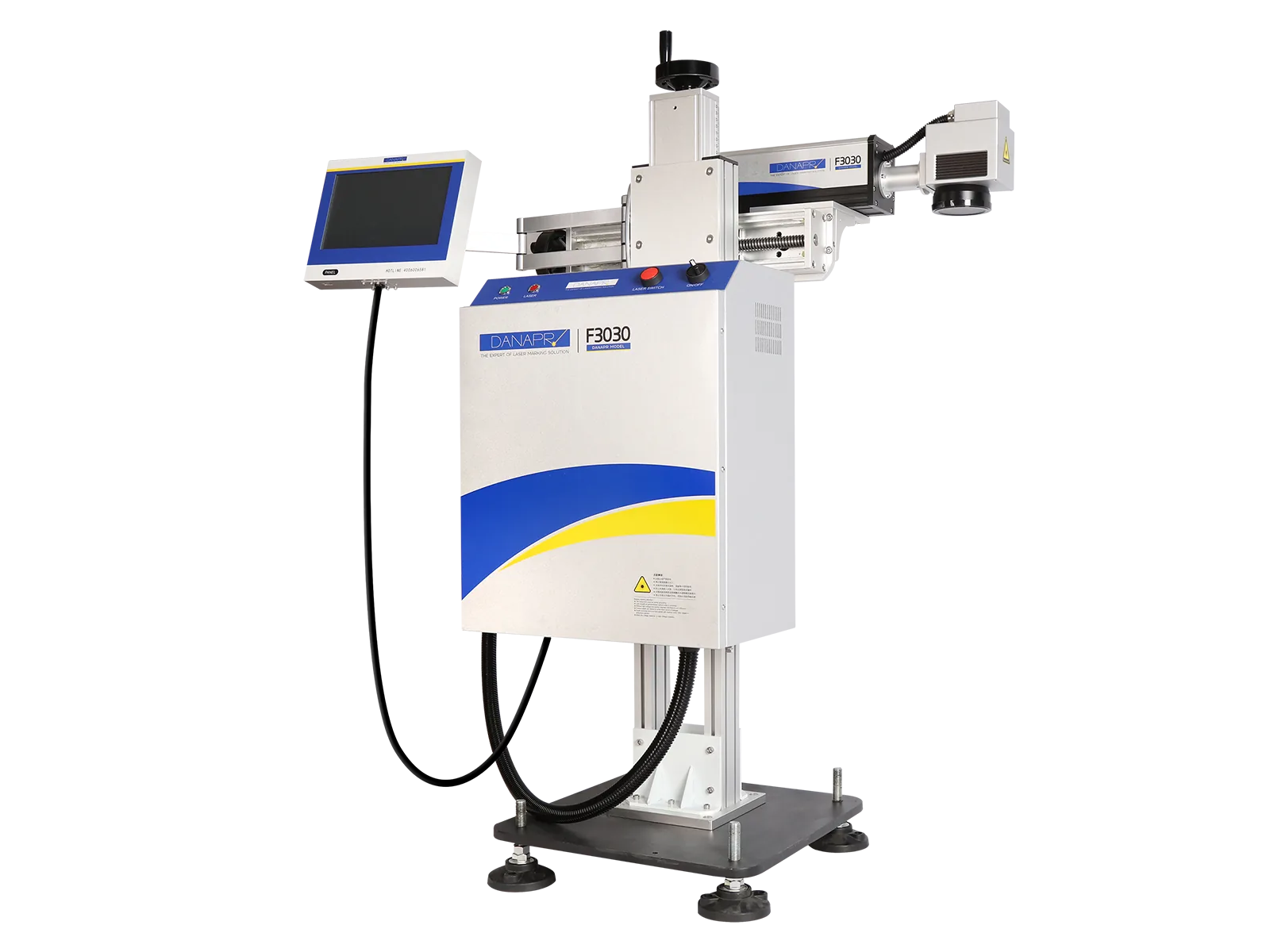
The model names below are confirmed DANAPR product information. Rated laser power is shown only where it has been provided; final configuration must be selected against the actual marking task.
| Model | Rated laser power | Selection note |
|---|---|---|
| DANAPR F3030 | 30 W | Confirm against the material, code, marking field and production test. |
| DANAPR F3050 | 50 W | Confirm against the material, code, marking field and production test. |
| DANAPR F3100 | 100 W | Confirm against the material, code, marking field and production test. |
| DANAPR F3200 | 200 W | Confirm against the material, code, marking field and production test. |
| DANAPR D8020 D Series | To be confirmed | D Series rated power and configuration require an approved data sheet. |
| DANAPR D8030 D Series | To be confirmed | D Series rated power and configuration require an approved data sheet. |
| DANAPR D8050 D Series | To be confirmed | D Series rated power and configuration require an approved data sheet. |
Fiber laser is a common starting point for industrial parts that require a durable, non-contact mark. Suitability still depends on the exact substrate and target result.
Evaluate names, identifiers, logos or machine-readable codes on the actual alloy, coating and finish.
Review available marking access, part orientation, fixture repeatability and the permitted surface effect.
Use material-specific samples because resin, additive, colour and surface condition can change contrast and quality.
The same part can require different process settings and equipment arrangements depending on the required effect and production method.
A controlled test path reduces the risk of selecting around a generic material name.
Collect representative parts for each alloy, colour, coating and finish.
Use the target artwork, code size, location and required surface result.
Review handling, trigger, focal position, guarding, extraction and controls.
Document approved appearance, readability, position and cycle conditions.
This table supports initial routing only; it is not a guarantee of material compatibility or performance.
| Decision factor | Fiber laser starting point | Alternative to compare |
|---|---|---|
| Metal or selected plastic | Test when a permanent mark or surface effect is required | UV or another laser process when heat input or fine detail is the main concern |
| Removable or changeable code | Usually not the first choice | CIJ or another ink-based process after adhesion and drying tests |
| Organic or packaging material | Material response may not match the target | CO2, UV, TTO or inkjet according to substrate and package format |
| Integrated verification | Add vision when code presence or readability must be checked | Define camera, lighting, pass criteria and line response separately |
Another technology may be more appropriate when the material, desired result or installation conditions do not support fiber laser marking.
Share the material, desired mark and production conditions with DANAPR Marking.