
Laser Marking Machines
Evaluate non-contact laser marking when the material can produce the required mark and the installation can support guarding and extraction.
Start with UV laserCompare laser marking machines, inkjet coding machines and printing systems around the product material, required code and production-line conditions.
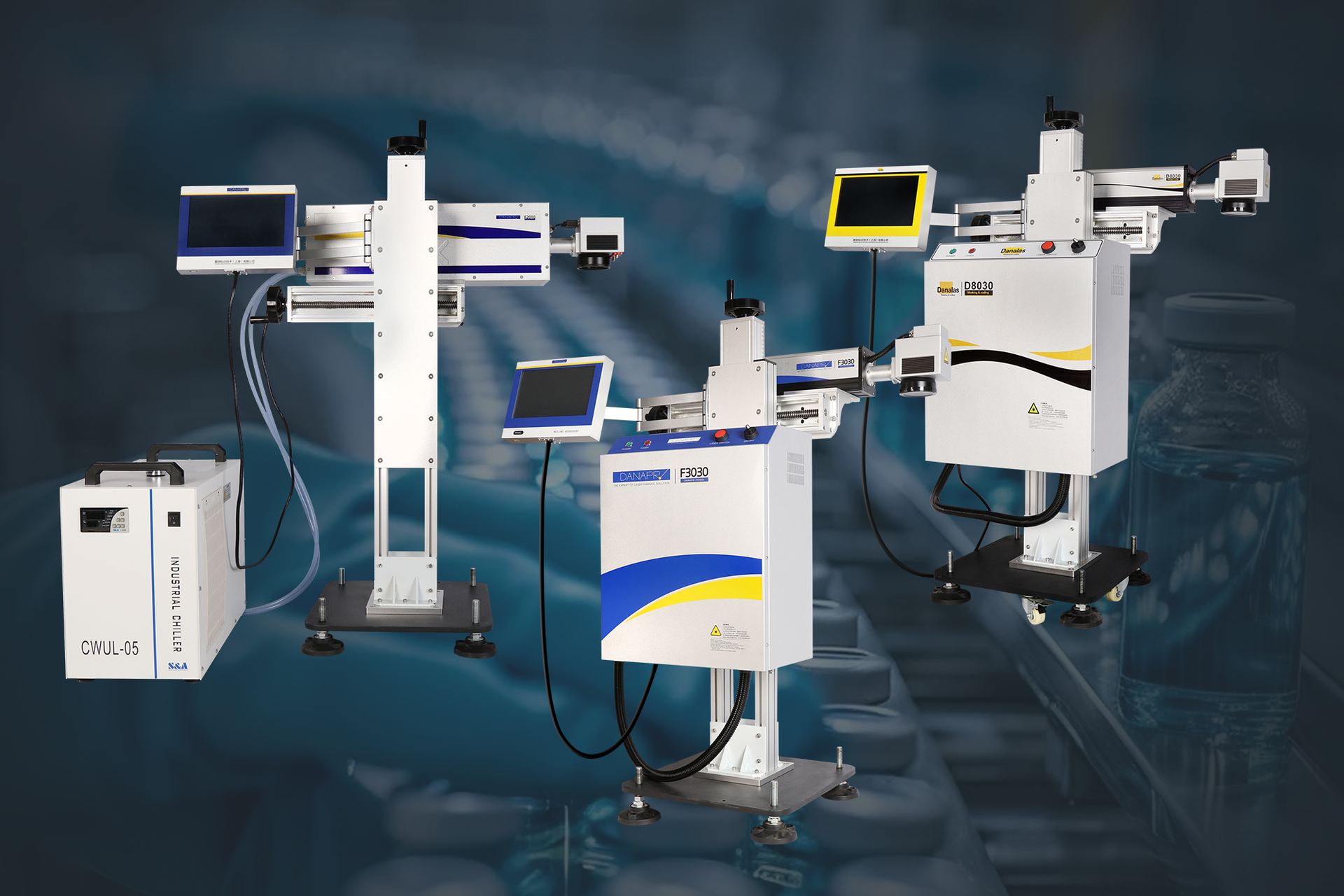
Each family addresses a different combination of substrate, code content, permanence, throughput and integration requirements.
Evaluate non-contact laser marking when the material can produce the required mark and the installation can support guarding and extraction.
Start with UV laserEvaluate inkjet for non-contact variable coding when ink adhesion, drying, contrast and maintenance conditions meet the application.
Review CIJ printersEvaluate TTO or variable data printing around the packaging format, printable area, data content and production process.
Review printing systemsThese verified model names establish the first product-card positions. Equipment images route buyers to the relevant technology family; exact model appearance, configuration and performance remain subject to approved product data.
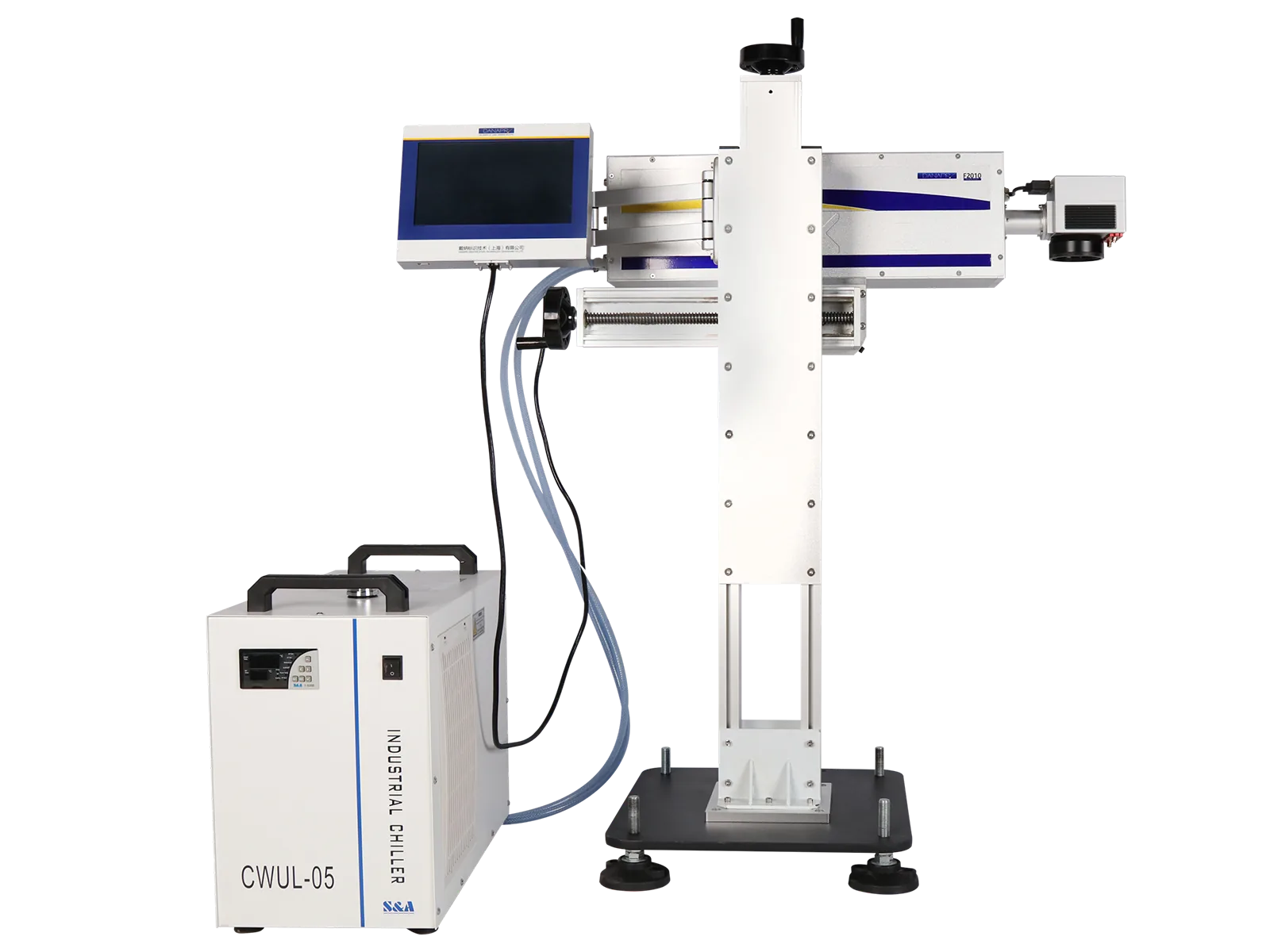
Review material testing, fine-mark requirements and production integration before selecting the final configuration.
View UV laser range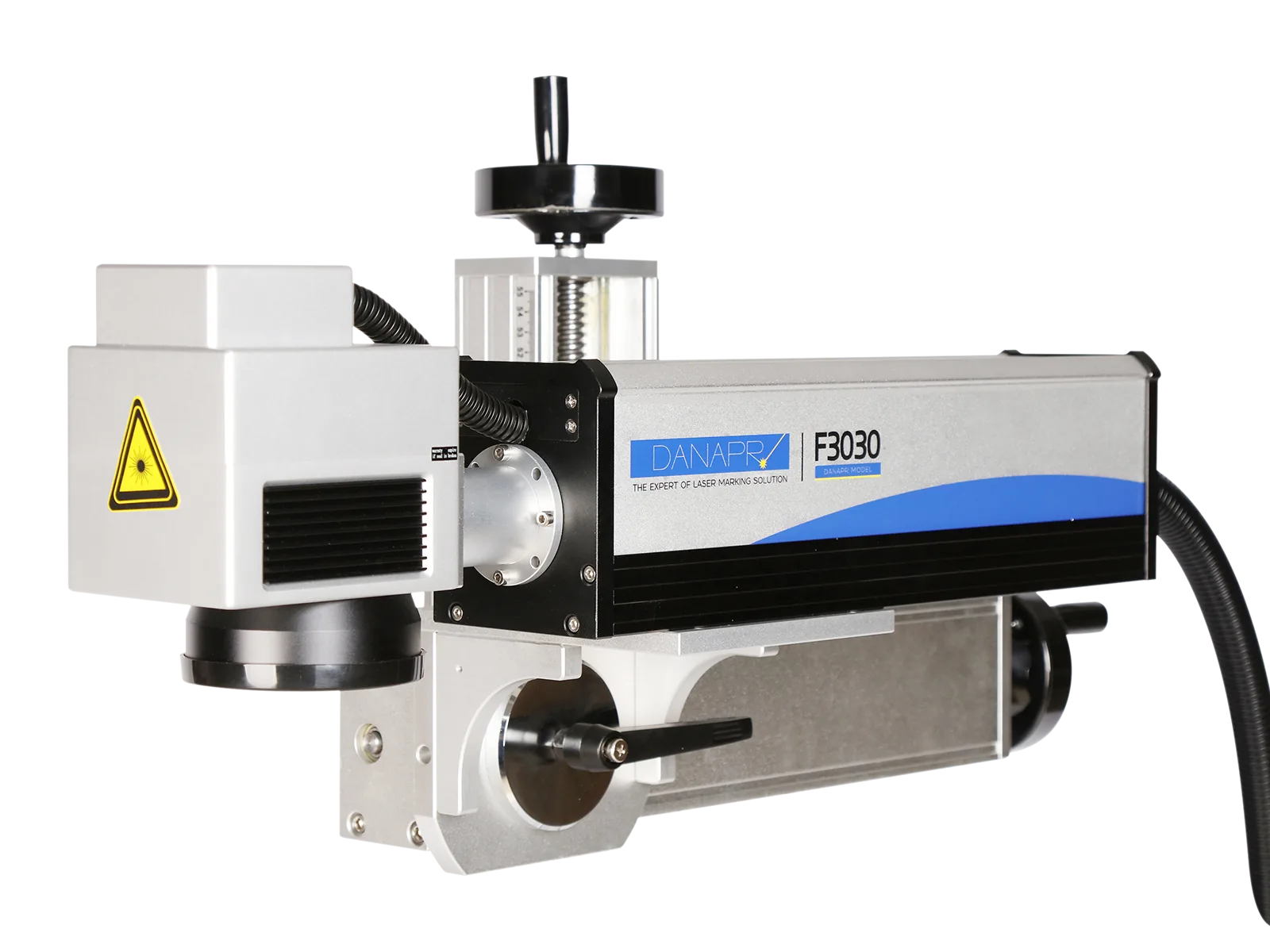
Use the fiber laser category page to define the material, mark effect, cycle, guarding and sample-test requirements.
View fiber laser range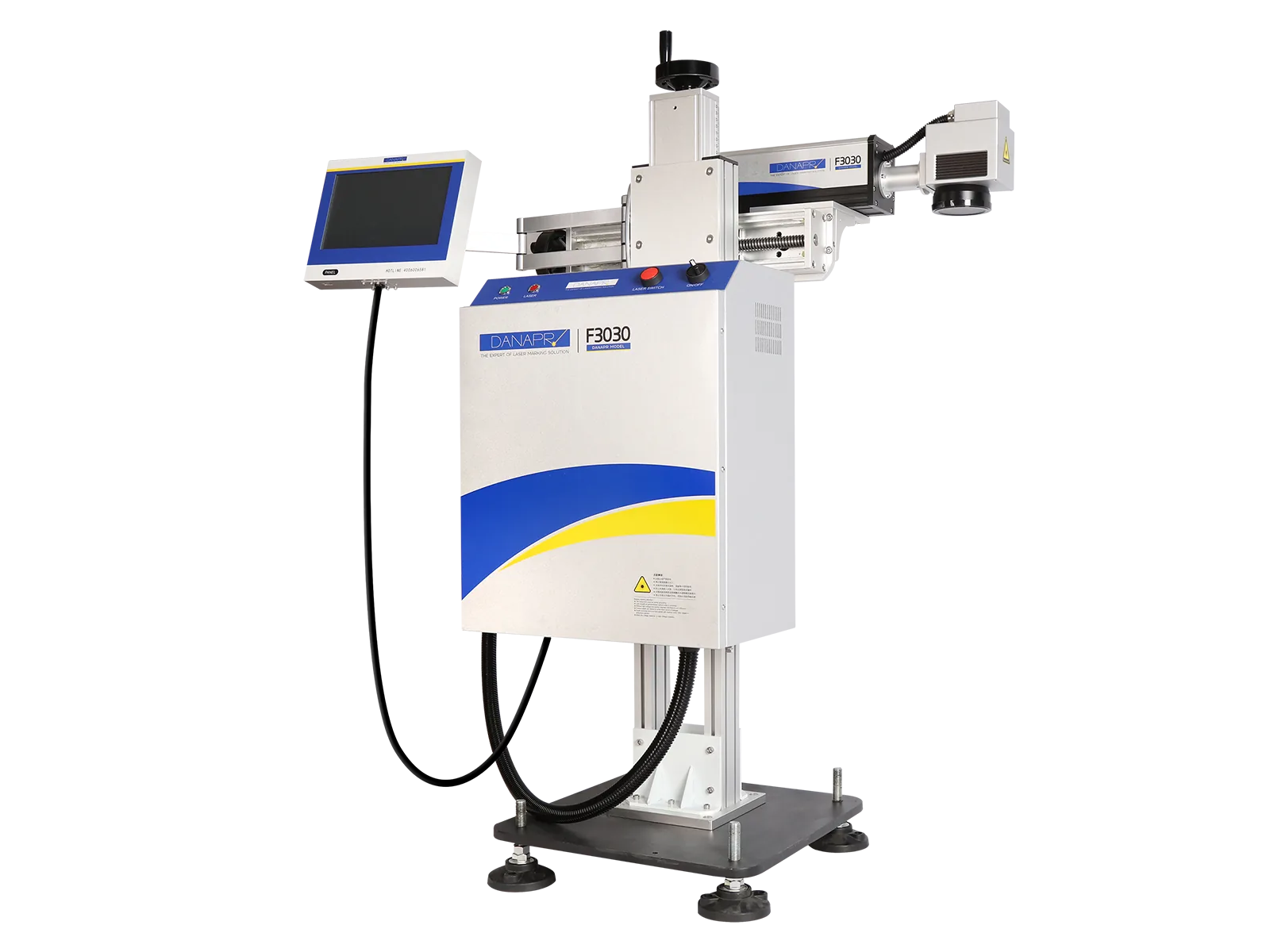
Rated power is confirmed; marking result and production suitability still require representative testing and engineering review.
Review selection factorsD8020 is a confirmed model name. Rated power and other specifications remain unpublished until the approved data sheet is available.
View D Series context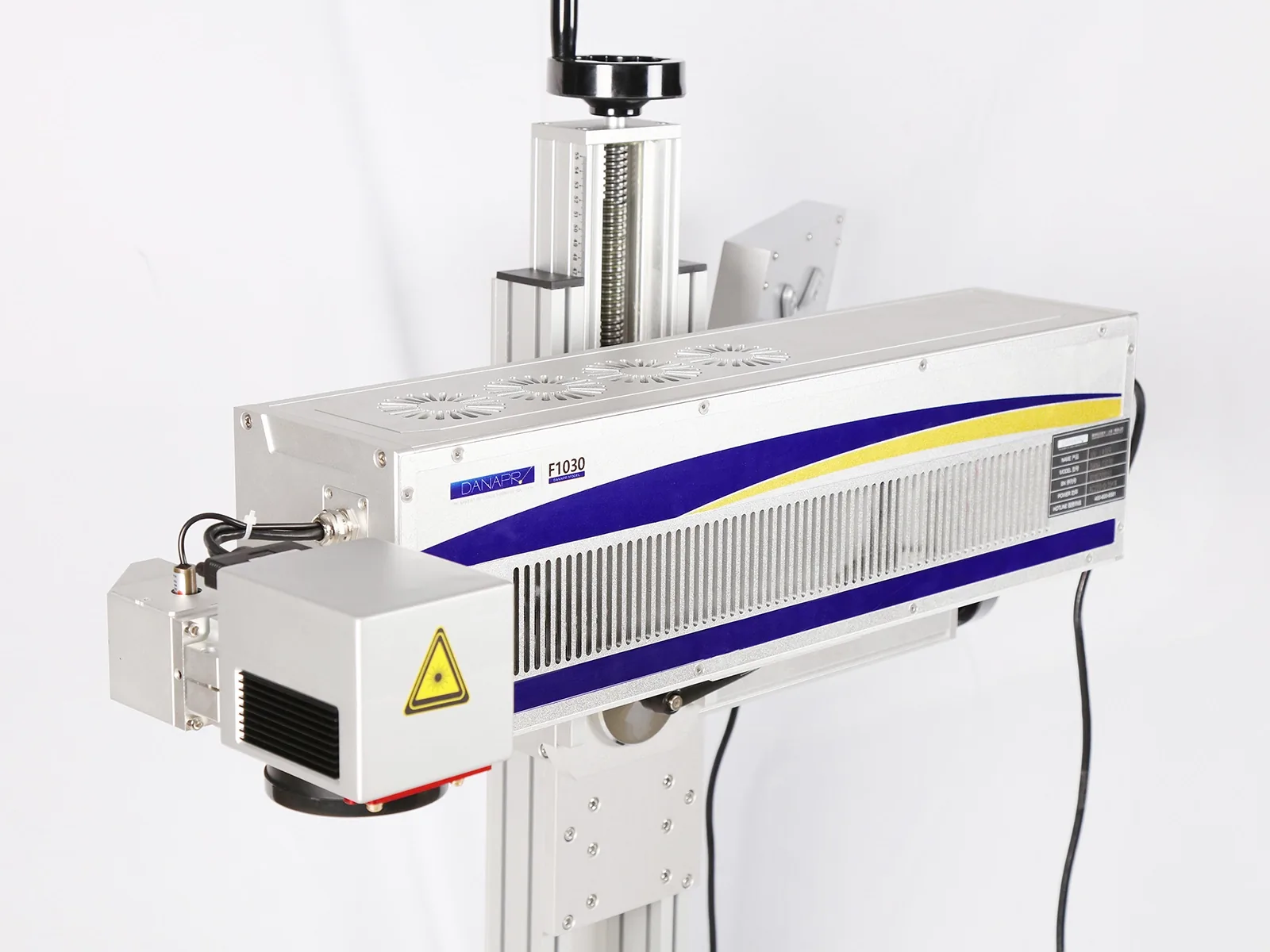
Review the exact material construction, code, heat effect, focal access, guarding and extraction before selection.
View CO2 laser range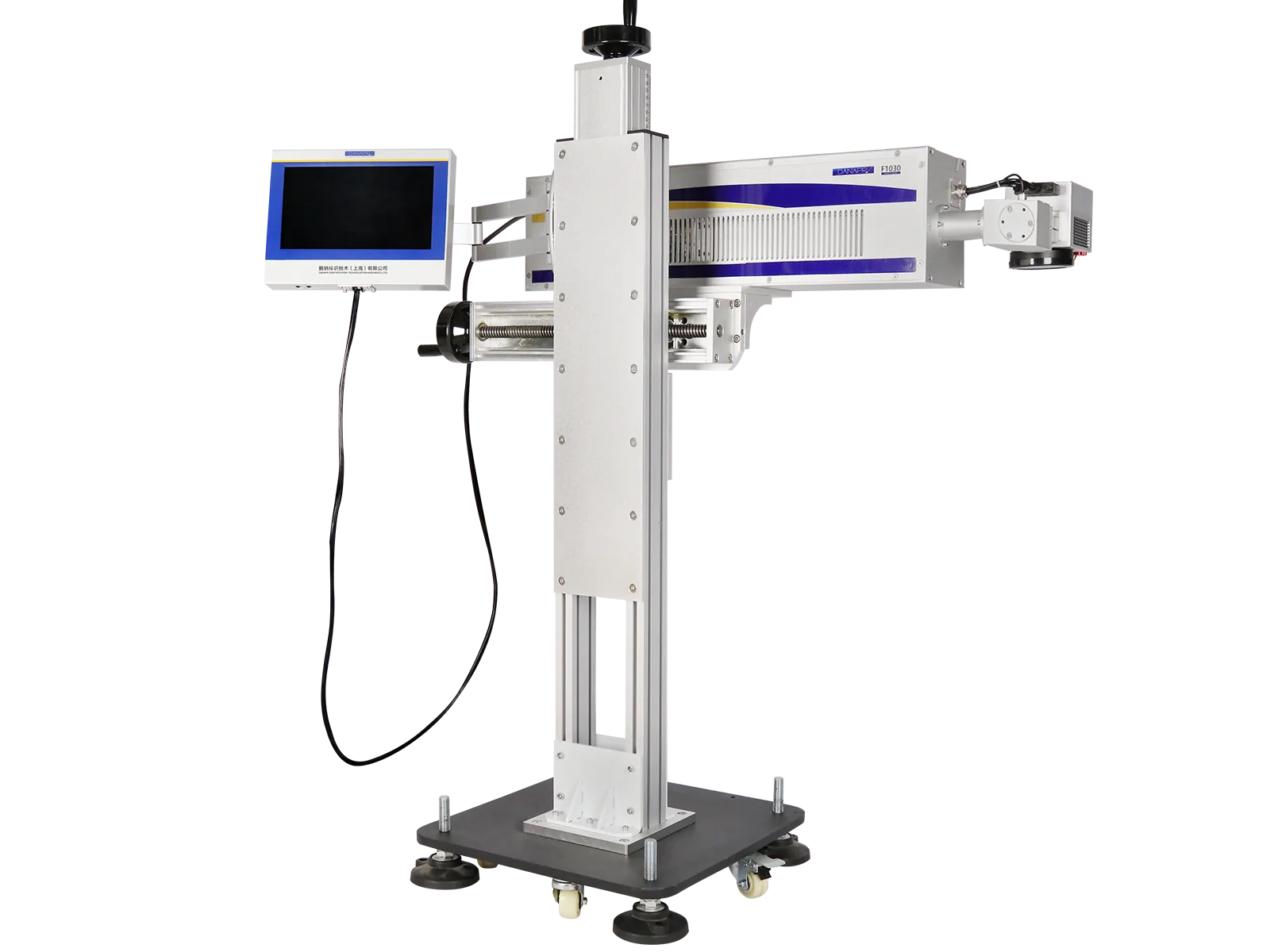
D7030 is a confirmed model name. Rated power and final equipment configuration require approved technical documentation.
View D Series contextThe family pages below contain the selection context for every confirmed DANAPR model. D-series power values remain unpublished until approved technical data is available.
| Technology family | Confirmed DANAPR models |
|---|---|
| UV laser marking machines | DANAPR F2003 (3 W), DANAPR F2005 (5 W), DANAPR F2010 (10 W), DANAPR F2015 (15 W), DANAPR F2020 (20 W), DANAPR F2030 (30 W) |
| Fiber laser marking machines | DANAPR F3030 (30 W), DANAPR F3050 (50 W), DANAPR F3100 (100 W), DANAPR F3200 (200 W), DANAPR D8020, DANAPR D8030, DANAPR D8050 |
| CO2 laser marking machines | DANAPR F1030 (30 W), DANAPR F1060 (60 W), DANAPR F1100 (100 W), DANAPR D7030, DANAPR D7060 |
The machine family is a starting point. Final configuration requires an application review.
Material, surface, colour, shape and available samples.
Text, date, batch, logo, barcode, 2D code and permanence.
Speed or cycle, handling, environment and installation space.
Trigger, controls, verification, data and acceptance criteria.
This table is a qualification guide and does not replace sample testing or a model data sheet.
| Requirement | Common starting point | Verification needed |
|---|---|---|
| Fine mark or limited heat input | UV laser marking | Material response, contrast, code size and production cycle |
| Permanent mark on metal or selected plastic | Fiber laser marking | Material grade, finish, mark effect, guarding and extraction |
| Moving product with variable ink code | CIJ coding | Ink adhesion, drying, contrast, print distance and environment |
| Flexible packaging film | TTO or another packaging-specific process | Film structure, printable area, ribbon or process suitability and line handling |
Share the material, code and production-line conditions with DANAPR Marking.