Multi-head eggshell coding

Egg Coding Machine

Apply approved dates, lot data and text across eggs presented in rows, with the equipment configuration qualified around real eggs, trays, ink, code content and line handling.
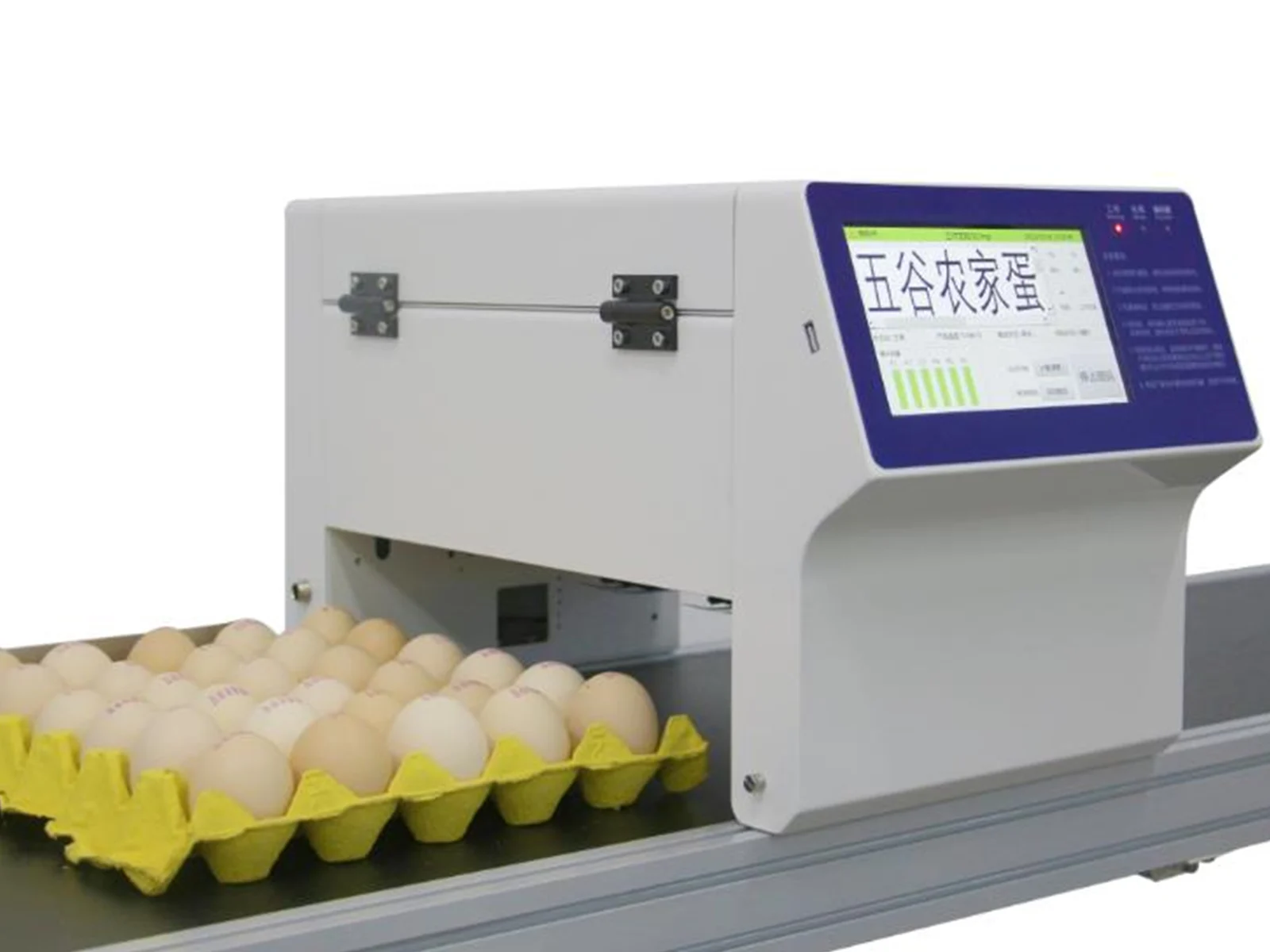
DANAPR automatic egg coding machine printing on eggs in trays
  • Product formatEggs presented in defined rows or trays
  • Code contentDate, lot, text or other approved fields
  • Critical testEggshell, ink, drying and readability
  • Line inputsTray path, lanes, cycle, trigger and space
Best fit

Where a multi-head egg printer can be evaluated

The system is designed around eggs moving through a defined print position. It requires controlled presentation and an approved eggshell print test.

Eggs in rows

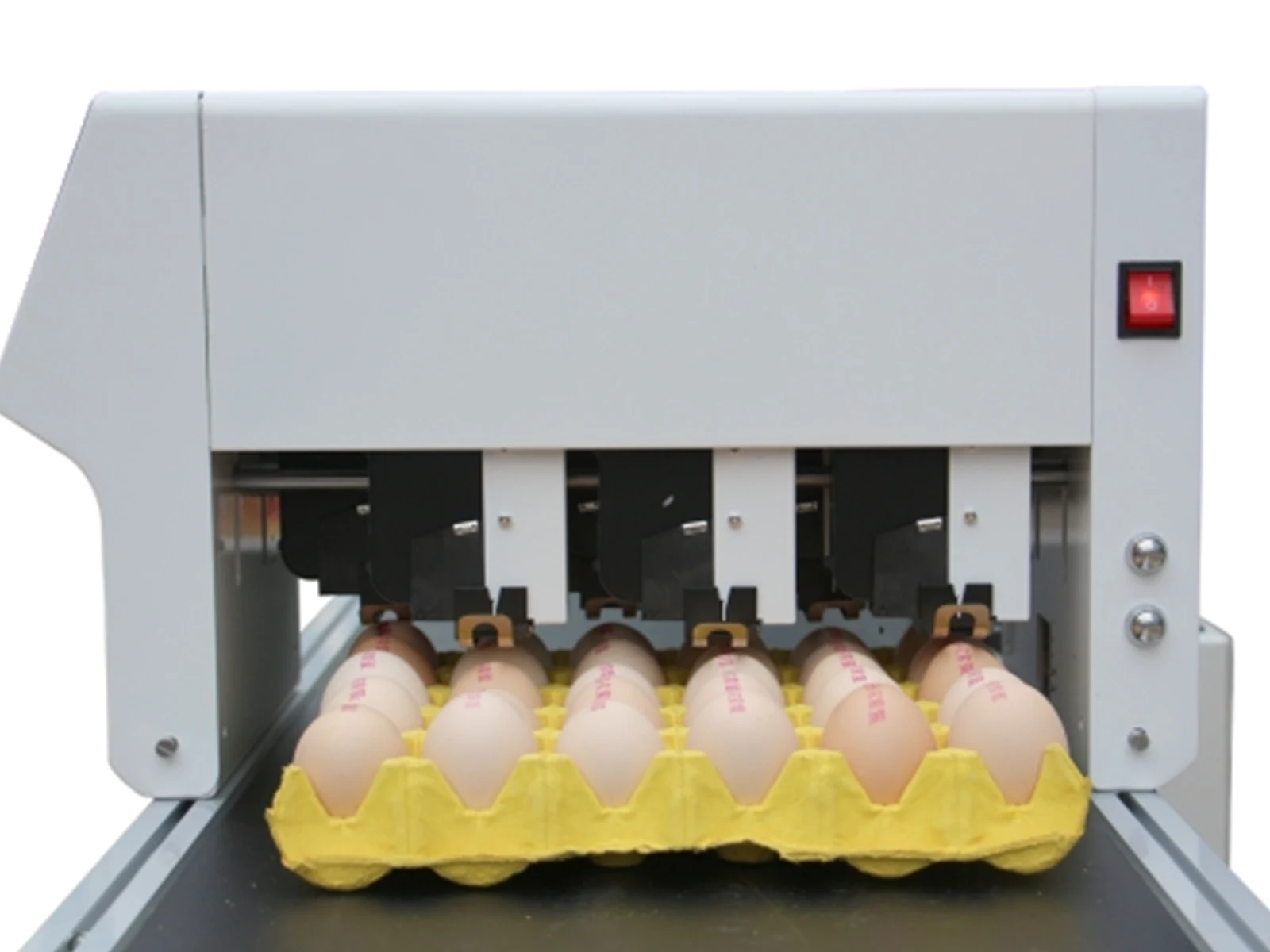
Match head layout and mounting to the actual tray, row spacing, egg size range and conveyor path.

Variable production coding

Define approved date, lot, text or other fields, including size, orientation and update workflow.

Repeatable handling

Maintain stable egg presentation, trigger timing, access and routine cleaning around the print zone.

System review

Qualify the egg, ink and handling together

Natural variation in eggs and trays makes representative testing essential.
  • Collect eggs representing shell colours, sizes and surface conditions in production.
  • Provide each tray or carrier format and the row or lane dimensions.
  • Define code content, position, orientation, legibility and durability requirements.
  • Record line motion or cycle, available space, trigger, controls and utilities.
  • Confirm cleaning, consumable handling, operator access and acceptance criteria.
Evidence boundary: The photographs show real egg coding equipment and printed samples supplied to the DANAPR project. Throughput, printhead count, resolution, interfaces, ink specification, dimensions and utilities remain subject to formal DANAPR documentation and project testing.
Close view of multiple printheads coding rows of eggs
Printhead layout is selected around the real egg and tray presentation.
Specification framework

Configuration fields to confirm

Final entries must be taken from the approved DANAPR configuration, installation drawing and eggshell print test.

FieldProject entryEvidence required
Egg and tray rangeDefine egg size, shell colours, surface condition and carrier formatsRepresentative production samples
Rows, lanes and printheadsConfirm for selected mechanical configurationApproved layout and equipment datasheet
Code content and areaDefine text, date, lot and readable sizeApproved artwork and print sample
Throughput or cycleConfirm under actual tray, code and line conditionsProduction-representative trial
Ink and consumablesConfirm approved type, handling and change processEggshell print and drying test
Trigger and data workflowConfirm job selection, update, trigger and control methodFunctional test specification
Dimensions and utilitiesConfirm for selected equipment and installationVerified drawing and installation document
Cleaning and environmentDefine cleaning process, access and site conditionsApproved operating scope
Acceptance workflow

Test the normal variation found in production

Acceptance should cover more than a single ideal egg.

  1. Sample set

    Include expected shell colours, sizes, surfaces and carrier formats.

  2. Code test

    Assess contrast, drying, adhesion, readability and position.

  3. Line trial

    Run normal product variation at the agreed handling conditions.

  4. Release

    Document the approved ink, code, configuration and operating window.

Real equipment and samples

These images document the equipment format and printed eggs available in the current project asset set.
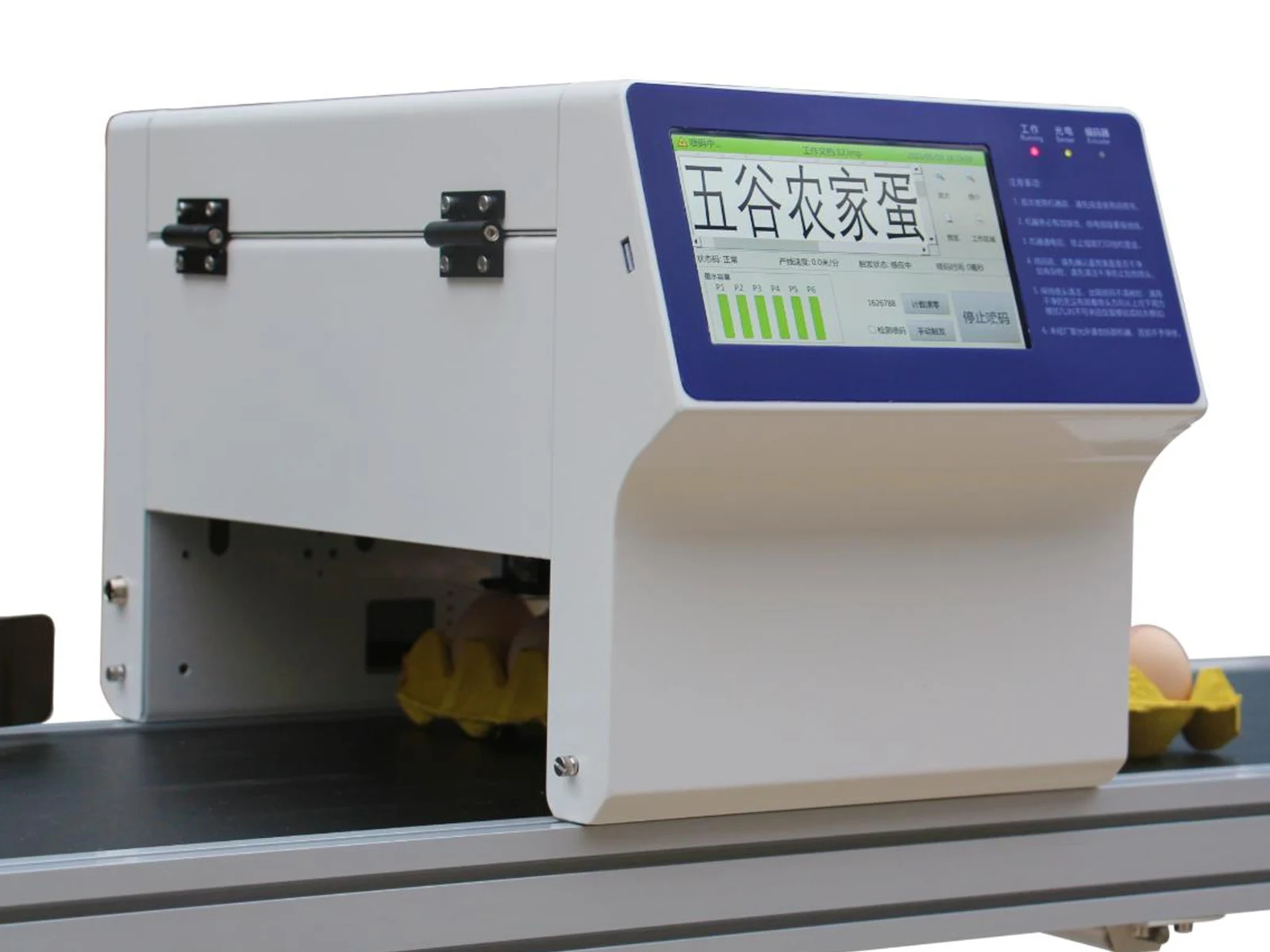

Egg coding equipment installed above an egg conveyor
Egg coding equipment positioned over the production path.
Red dot-matrix text code printed on a brown eggshell
Visible eggshell print sample; final content and ink require approval.
Printed production text sample on an eggshell
Representative printed egg from the supplied image set.
Qualification limits

When not to approve the proposed configuration

  • No tested ink provides the required contrast, drying, adhesion or readability.
  • Egg or tray variation cannot maintain the approved print position.
  • The production cycle is outside the tested operating conditions.
  • Cleaning, consumable handling or operator access cannot be managed safely.
  • The required data or line control is outside the documented system scope.
FAQ

Egg coding machine questions

What can an egg coding machine print on eggshells?
The required text, date, lot information or other approved content must be defined and tested. Supported formats and readable size depend on the selected configuration and eggshell sample.
Why must actual eggs and trays be tested?
Egg size, shell colour and condition, row spacing, tray presentation and product movement affect printhead position, print quality and repeatability.
How is ink selected for egg coding?
Ink must be selected from approved DANAPR documentation and tested on representative eggs for contrast, drying, adhesion, readability and the customer's applicable material-safety requirements.
Can the egg coding machine connect to an existing egg line?
Integration can be evaluated after the conveyor or tray path, lane layout, cycle, trigger, available space, controls, utilities, cleaning process and acceptance criteria are documented.

Have eggs and trays ready for a print test?

Share the sample range, code, line motion and acceptance criteria with DANAPR.

Discuss Egg Coding